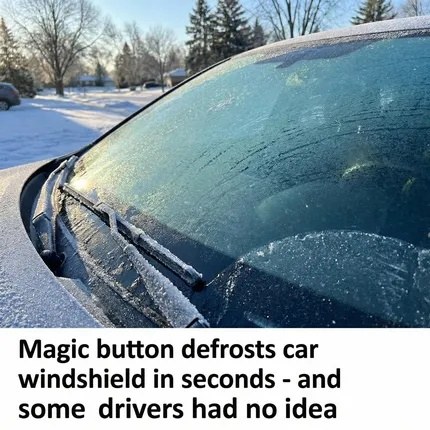
This Little-Known Windshield Hack Can Save You Time in the Cold
Winter mornings can transform even the most carefully planned routine into a struggle. You wake up on time, get dressed, and step outside with the intention of leaving promptly.
Only to find your windshield coated in frost, ice, or even a thin layer of snow. In moments like these, time seems to slip away.
Many drivers instinctively grab an ice scraper or start hammering the glass, unaware that their vehicle likely contains built-in features specifically designed to make this process faster, safer, and more efficient. Understanding and using these features can dramatically reduce stress and improve safety, allowing you to start the day with confidence rather than frustration.
The Science Behind Frost and Ice on Windshields
Frost occurs when water vapor in the air comes into contact with a cold surface, like a windshield, and freezes. Ice accumulation, meanwhile, forms from freezing precipitation or condensation that solidifies overnight. Several factors influence how quickly frost or ice develops:
Temperature: Frost forms more quickly during subfreezing nights. Even temperatures slightly below 32°F (0°C) can produce a thin but persistent layer of ice.
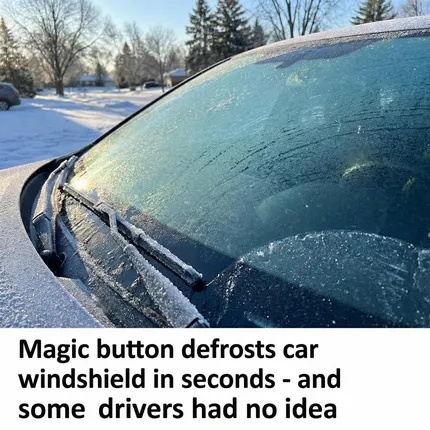
Humidity: High moisture levels in the air or inside the vehicle can accelerate frost formation. Condensation inside the car often contributes to the frosty buildup on the inner surface of the windshield.
Windshield exposure: Cars parked outdoors without shelter are more vulnerable than those in garages or under canopies. The orientation of the vehicle and exposure to night-time radiation heat loss can make a difference in frost thickness.
Understanding these factors helps drivers predict when frost will appear and encourages preparation that can save time.
Built-In Windshield Defrosting: Your Vehicle’s Secret Tool
Many modern vehicles come equipped with a windshield defrost function, designed to clear frost and prevent interior fogging simultaneously.
This feature is much more effective than manually scraping alone and works using a combination of heat and airflow. Here’s how it functions:
Warm Air Circulation: When the defrost button is activated, warm air is directed toward the windshield from vents at the base and edges of the glass. The heat softens ice and frost, gradually loosening it without requiring physical scraping.
Air-Conditioning Engagement: Surprisingly, the air-conditioning system often engages alongside the heater during defrost mode.
This isn’t a malfunction; AC helps remove moisture from the cabin air, preventing fogging that can obscure vision even after the exterior frost is gone.
Integrated Fan Power: The defrost setting uses higher fan speeds to circulate air efficiently across the windshield surface. This combination of heat and airflow ensures that ice melts more uniformly and frost disappears faster.
By taking advantage of this feature, drivers can maintain clear visibility, which is critical for safe winter driving.
Step-by-Step Guide to Using the Defrost Function
Activating your vehicle’s defrost system is simple but effective. Here’s the recommended approach:
Start the Engine: Always start the vehicle before engaging the defrost system to allow the engine to warm up, which ensures the heating system works efficiently.
Select the Warmest Temperature: Adjust the climate control to a higher temperature to speed up melting. Avoid setting it too low, as this reduces efficiency.
Activate the Defrost Button: Look for a button with a curved window icon, typically located on the dashboard or center console. Press it to engage the system.
Allow Airflow to Stabilize: Give the system a few minutes. In most cars, the windshield will begin to clear from the bottom upward, with ice and frost softening progressively.
Wipe Light Residue: Use a microfiber cloth or soft sponge to remove softened frost or ice if necessary. Most of the work is done by the warm airflow, minimizing physical effort.
Why This Method Is Safer Than Scraping or Using Hot Water
Manual scraping, while traditional, carries several risks:
Scratches: Metal or plastic scrapers can scratch the glass if applied aggressively or at an angle.
Cracking: Pouring hot water on a frozen windshield can lead to sudden temperature changes that crack the glass. The difference in temperature between the ice and the hot water stresses the tempered glass.
Injury: Slips, falls, or accidental contact with cold metal can result in minor injuries or frostbite in extreme cases.
By contrast, the defrost function eliminates these hazards. It allows you to stay safely inside the car while the system works, reducing the risk of injury or damage.
Maximizing Defrost Efficiency: Tips and Tricks
Even with a defrost system, preparation can make the process even faster:
Use a Windshield Cover: Covers prevent frost from forming on the glass overnight, reducing defrosting time.
Apply Anti-Fog Sprays: Anti-fog solutions for the interior windshield reduce condensation and fogging during defrosting.
Reduce Cabin Moisture: Avoid leaving wet items, like floor mats or snow-covered jackets, inside the car overnight. Less moisture inside means less interior frost.
Clean Your Windshield: Dirt and residue trap moisture and reduce the effectiveness of the defrost system. A clean glass melts frost faster.
Park Strategically: Facing your car east allows the rising sun to naturally help with thawing in the morning.
Use a Microfiber Cloth: Keep a cloth handy to wipe away any light residual frost after the defrost cycle.
Handling Stubborn Ice or Frost
Occasionally, frost or ice may be thicker than usual, particularly after extreme weather events. For stubborn buildup:
Allow Longer Defrost Time: Let the system run for 10–15 minutes before attempting to scrape.
Use Defrost in Combination With Low-Speed Scraping: A soft plastic scraper may help remove remaining patches, but always start after the defrost has softened the ice.
Consider Remote Engine Start: Many modern vehicles allow you to start the engine remotely, activating the climate system while you remain indoors. This ensures the windshield begins thawing even before you step outside.
Defrosting Side Windows and Rear Windshields
Many vehicles include rear defrost and side mirror heating options. These work using electric heating elements embedded in the glass. Benefits include:
Faster Clearance: Heats the glass evenly, preventing ice formation.
Improved Safety: Side mirrors and rear visibility are crucial for winter driving, especially when merging or reversing.
Automatic Deactivation: Most rear defrost systems turn off after a set period to prevent excessive power use.
Additional Winter Safety Tips
Beyond using the defrost system, several habits improve overall winter driving safety:
Keep Your Vehicle Stocked: Carry a scraper, ice scraper, blanket, gloves, and a small shovel.
Inspect Tires: Proper tire pressure and tread depth ensure safe traction on icy roads.
Plan Extra Time: Winter mornings may require additional minutes for defrosting, warming the engine, and checking visibility.
Avoid Rushing: Exiting quickly in frosty conditions can lead to slips or incomplete defrosting, increasing accident risk.
Check Lights: Ensure headlights, brake lights, and indicators are free of ice and snow before driving.
Modern Technological Enhancements
Automakers increasingly include features that automate defrosting and enhance winter convenience:
Heated Windshields: Some vehicles include heating elements embedded in the glass itself.
Heated Wipers: These prevent wiper blades from freezing to the windshield.
Automatic Climate Control: Automatically adjusts airflow and temperature for rapid defrosting.
Remote Start Integration: Allows pre-activation of heating and defrosting systems, reducing wait times.
These features provide further safety and comfort, showing how car technology is evolving to meet real-world winter challenges.
The Big Picture: Why Defrosting Matters
Visibility is a cornerstone of safe driving. Even small amounts of ice, frost, or fog can obscure critical portions of the road, mirrors, and traffic signs.
According to studies from traffic safety organizations, poor visibility contributes to thousands of winter accidents annually. Activating the defrost system properly, combined with preparation and safe habits, can significantly reduce this risk.
Conclusion
Cold winter mornings don’t have to start with frustration, scraping, or unsafe shortcuts. By understanding and using your vehicle’s windshield defrost function, you can:
Clear frost and ice efficiently
Prevent fogging inside the cabin
Protect your windshield from damage
Reduce physical strain and injury risk
Improve overall driving safety
Preparation and awareness are key. From keeping windows clean and moisture low to using windshield covers or remote start features, small steps make a significant difference.
Modern vehicles are equipped with technology to make winter driving safer and more comfortable — it’s up to drivers to leverage these features effectively. By prioritizing safety and efficiency, you can begin each winter morning with clarity, confidence, and peace of mind, rather than stress and delays.