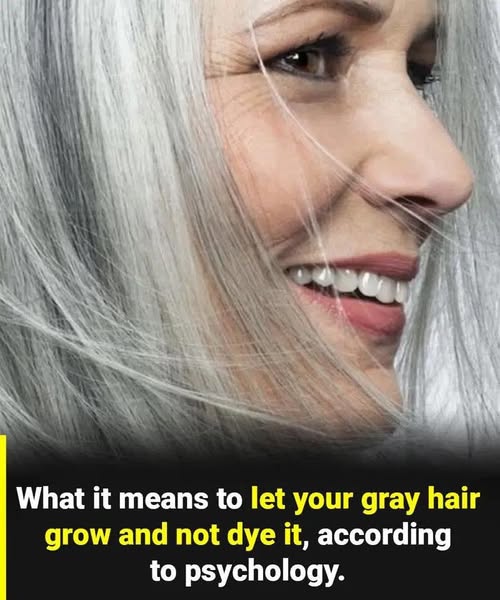
Choosing to embrace your gray hair naturally often represents a meaningful psychological shift toward self-acceptance and authenticity. It can signal confidence in one’s identity, freedom from societal expectations, and a commitment to aging gracefully. Many see this choice as a celebration of inner strength, self-worth, and a peaceful relationship with the passage of time.
In contemporary society, the choice to allow gray hair to emerge naturally rather than concealing it with dye has evolved from a personal grooming decision into a potent symbol of self-expression, maturity.
And authenticity. Once viewed primarily as a sign of decline or diminished relevance, gray hair is increasingly recognized as an emblem of confidence, experience, and emotional alignment.
This cultural and psychological shift reflects broader transformations in attitudes toward aging, identity, and self-acceptance, challenging long-standing assumptions about beauty, value, and societal expectations.
Historical Context: Gray Hair and Cultural Perceptions of Aging
For centuries, gray hair carried complex, often contradictory social connotations. In some cultures, gray hair was associated with wisdom, seniority, and respect; elders were revered for their accumulated knowledge and guidance.
Philosophers, statesmen, and spiritual leaders were often depicted with silvered locks, and in such contexts, gray hair symbolized authority, insight, and lived experience.
In Confucian societies, for instance, the appearance of gray hair was considered an honorific sign of maturity and filial obedience, signaling decades of adherence to social and moral codes.
However, with the advent of modern consumer culture in the 20th century, the perception of gray hair shifted significantly.
Particularly in Western societies, youth became increasingly linked to beauty, vitality, and social and economic value. Advertising and popular media reinforced the idea that aging was something to resist, and gray hair became a visible marker of imperfection or decline.
Women, in particular, were subjected to intensified scrutiny: youthful appearance was equated with desirability, relevance, and femininity, and gray hair was frequently framed as a symbol of fading attractiveness.
Men, while often granted slightly more leniency in aging, also experienced pressure to maintain a youthful and energetic image, particularly in professional environments where visual presentation could influence perceived competence and status.
Corporate culture, entertainment, and media representations amplified these pressures, creating a pervasive expectation to conceal aging through hair dye, cosmetic procedures, and other appearance-focused interventions.
Gray Hair as a Symbol of Authenticity
Over the past decade, cultural attitudes toward gray hair have undergone a notable transformation. Rather than signaling decline, gray hair is increasingly interpreted as a marker of self-assurance, authenticity, and life experience.
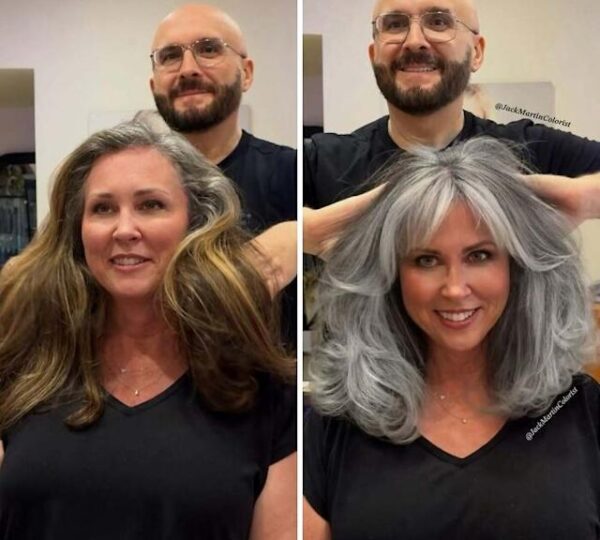
Public figures, influencers, and celebrities have contributed to this shift by embracing their natural hair color, often sparking widespread dialogue about aging and self-acceptance.
From actors and musicians to social media personalities, the visible embrace of gray hair communicates a refusal to hide behind artificial standards, and it encourages broader societal conversations about the value of lived experience over mere aesthetic appeal.
This cultural evolution reflects a broader psychological reorientation in which personal authenticity and internal alignment are prioritized over maintaining an appearance dictated by societal expectations.
Allowing gray hair to grow is less about rebellion or style in the conventional sense and more about reclaiming control over one’s own identity. By choosing to stop dyeing hair, individuals engage in a form of self-affirmation, signaling that their worth is not contingent on concealing natural aging processes.
Psychological Implications: Identity, Autonomy, and Emotional Maturity
From a psychological perspective, allowing gray hair to emerge naturally represents a profound internal shift. Hair functions as a visible extension of identity, conveying information about age, personality, and lifestyle.
Choosing to stop coloring hair can thus serve as a conscious decision to confront ingrained beliefs about aging, attractiveness, and social judgment.
Many individuals discover that their previous discomfort with gray hair was not about aesthetics per se but stemmed from anxiety about being judged, perceived as irrelevant, or rendered invisible.
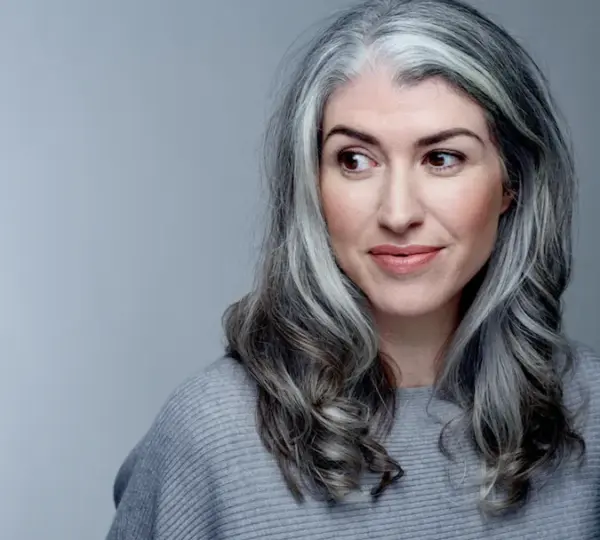
Psychologists often describe this process as self-affirmation, whereby individuals assert autonomy over their appearance and life choices.
Letting gray hair show is a subtle yet powerful statement: a refusal to conform to external pressures, a deliberate prioritization of internal values, and an acceptance of natural aging as part of the human experience. This act signals emotional development, reflecting a shift from control and concealment to acceptance and coherence.
Women, historically subjected to more rigorous standards of beauty and youth, may experience this choice with particular significance.
Embracing gray hair often feels less like a public declaration and more like personal liberation—a relief from continuous maintenance and the unrealistic expectation that femininity must be inextricably tied to youthfulness.
By choosing to embrace their natural hair, women can cultivate confidence, self-respect, and a sense of freedom from societal judgment.
Men, though often granted greater latitude in aging, also benefit psychologically from embracing gray hair. In professional and social contexts where youthfulness is often idealized, allowing natural hair to emerge signals confidence, self-acceptance, and a willingness to decouple self-worth from appearance or productivity.
Across genders, the decision to embrace gray hair is less about fashion or trend and more about internal alignment and emotional integrity.
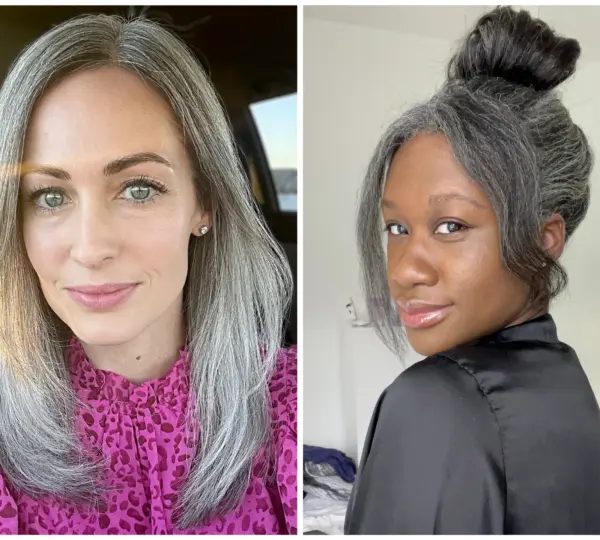
The Cultural Shift: From Stigma to Celebration
This growing acceptance of gray hair is part of a wider cultural movement that challenges ageism and rigid beauty standards.
Media portrayals increasingly celebrate older individuals, highlighting the allure of maturity, life experience, and self-assurance.
Campaigns in fashion, beauty, and lifestyle industries now feature models and influencers confidently displaying gray hair, signaling that natural aging is compatible with attractiveness, vitality, and style.
Celebrity influence has also played a pivotal role in shifting perceptions. Public figures such as Jamie Lee Curtis, Helen Mirren, and George Clooney have publicly embraced their gray hair, inspiring others to reconsider their relationship with aging.
Social media communities and hashtags such as #GrayHairDontCare have further normalized the natural aging process, fostering solidarity and encouraging dialogue around authenticity, self-care, and intergenerational perspectives on beauty.
Moreover, the fashion and beauty industries have responded by offering products tailored to enhancing natural gray hair, including silver shampoos, conditioners, and styling treatments that celebrate rather than conceal.
These developments reinforce the notion that gray hair is not a deficiency but a unique and valuable aspect of identity and personal expression.

The Role of Gray Hair in Life Transitions
For many individuals, the emergence of gray hair coincides with significant life transitions, whether personal, professional, or existential.
Retirement, career changes, parenthood, or periods of personal growth often prompt reflection on identity, values, and self-perception.
Choosing to embrace gray hair during these transitions can serve as a symbolic act of alignment, representing acceptance of change and a commitment to authenticity.
In psychological terms, embracing gray hair can enhance resilience and emotional stability. Individuals who stop dyeing their hair frequently report improved self-esteem, decreased stress related to appearance maintenance, and greater congruence between internal identity and external presentation.
This alignment between inner and outer self fosters self-compassion, agency, and long-term well-being, contributing to a healthier overall relationship with aging.
Gender Considerations and Societal Pressure
Gender plays a nuanced role in decisions surrounding gray hair. Historically, women have faced intense scrutiny regarding aging, particularly as youth has been culturally equated with beauty and value.
Marketing, media representations, and social expectations have perpetuated the notion that women must actively conceal signs of aging, including gray hair, to remain socially and professionally desirable.
Consequently, the decision to embrace natural hair color often carries layers of social meaning, representing not only personal autonomy but also resistance to prescriptive standards.
Men, while generally afforded more leeway in visible aging, are not entirely immune to pressures to appear youthful, vibrant, or competitive.
Embracing gray hair for men can signify self-confidence, authenticity, and an acceptance of the natural passage of time, challenging subtle cultural narratives that equate vigor with visual youth.
Across genders, the psychological and social implications of embracing gray hair reflect a broader interrogation of societal norms, challenging assumptions about beauty, productivity, and relevance.
The Practical Benefits of Embracing Gray Hair
Beyond psychological and cultural significance, allowing gray hair to grow naturally offers practical advantages. Hair dye requires ongoing maintenance, time, and financial investment.
By stopping coloring routines, individuals experience freedom from regular appointments, reduced exposure to chemicals, and a decrease in the stress associated with upkeep. Many describe a sense of relief at letting go of a cosmetic routine that was both time-consuming and emotionally taxing.
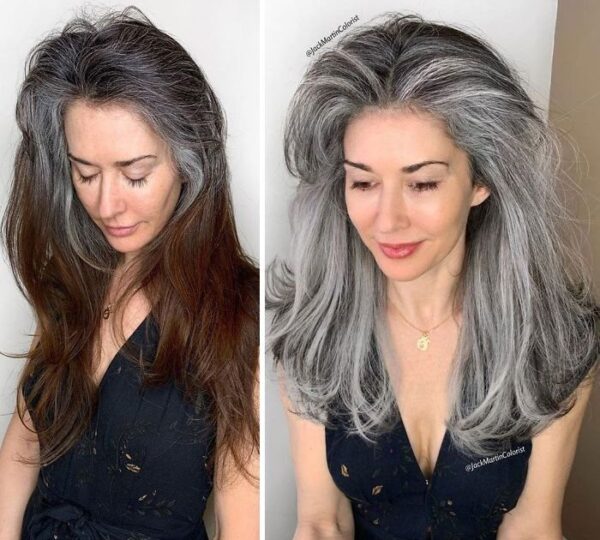
Furthermore, embracing gray hair can enhance personal style and individuality. Silver, platinum, and salt-and-pepper tones offer distinctive aesthetic appeal, enabling creative approaches to fashion and grooming.
By focusing on texture, cut, and overall health, individuals can craft a signature appearance that celebrates natural aging rather than concealing it.
Gray Hair as a Marker of Emotional Freedom
Ultimately, choosing to embrace gray hair signifies a profound shift toward emotional freedom. It embodies a release from shame, judgment, and restrictive beauty norms, cultivating resilience, self-confidence, and authenticity.
For many, this acceptance extends beyond appearance, influencing broader attitudes toward life, time, and personal growth. It represents a conscious acknowledgment that worth is not defined by age or appearance, and that embracing natural change is a form of self-respect and personal empowerment.
Psychologists highlight that this process is part of maturing emotionally and socially, reflecting an increasing alignment between internal values and outward presentation. Gray hair, therefore, is not merely cosmetic; it is a visual metaphor for self-acceptance, integrity, and life experience.
Conclusion: Celebrating Gray Hair as a Modern Statement of Self
In contemporary culture, gray hair has transformed from a symbol of decline to an emblem of confidence, authenticity, and personal freedom. Its embrace represents a conscious choice to align appearance with reality, reject societal pressure, and honor life experience.
Whether driven by personal philosophy, practical considerations, or cultural trends, allowing gray hair to show reflects a deeply human desire for coherence, autonomy, and self-expression.
As society continues to reevaluate notions of beauty, aging, and identity, gray hair offers a visible, enduring testament to lived experience, resilience, and emotional maturity.
It serves as a reminder that value is not dictated by youth or concealment but by authenticity, self-acceptance, and the courage to exist visibly in one’s natural state.
By embracing gray hair, individuals signal that they are comfortable with who they are, grounded in their identity, and unafraid to challenge outdated cultural narratives, setting an example for future generations to value substance over superficiality, authenticity over conformity, and wisdom over appearance.
Gray hair, in this sense, is not merely a feature of physical aging—it is a statement of self, a badge of lived experience, and a celebration of the ongoing human journey.
It reflects the evolving relationship between society and the individual, honoring both the passage of time and the enduring strength, creativity, and dignity of those who choose to embrace it.