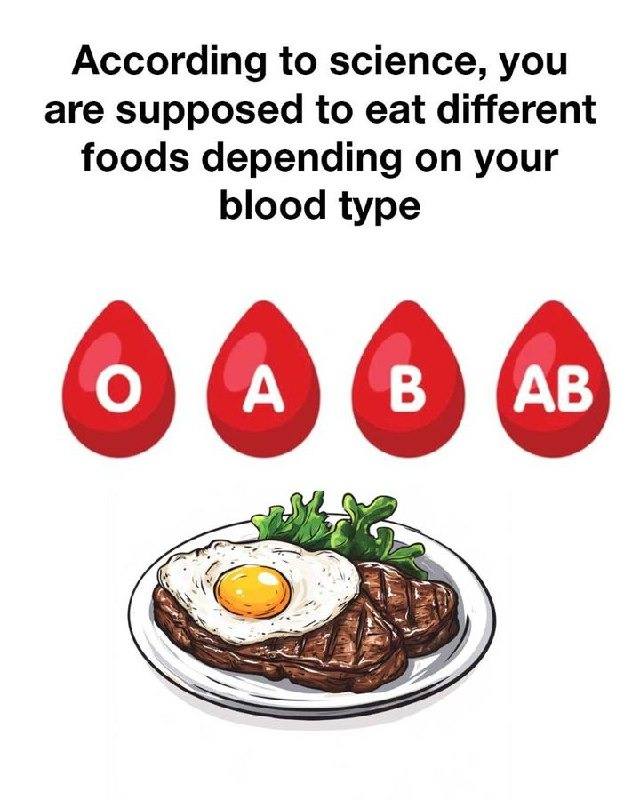
This is the first time I’m hearing about this but it makes sense!
The Blood Type Diet is a nutritional approach based on the idea that your blood type influences how your body responds to different foods. Blood type is determined by the presence or absence of specific antigens on red blood cells, and this classification is widely used in medicine for transfusions and immune compatibility. Supporters of the Blood Type Diet believe that these same biological differences also affect digestion, metabolism, inflammation, and disease risk. According to this theory, eating foods that align with your blood type may help improve overall health, energy levels, and well being.
The core belief behind the Blood Type Diet is that not all bodies process food in the same way. Foods that are beneficial for one blood type may be less suitable or even harmful for another. Proponents argue that blood type plays a role in how efficiently nutrients are absorbed, how the immune system reacts to certain foods, and how the body handles stress. As a result, each blood type is said to have unique dietary needs designed to support optimal function and balance.
History and origin of the Blood Type Diet
The Blood Type Diet gained widespread attention through the work of Dr. Peter J. D’Adamo, a naturopathic physician who introduced the concept to the public in his 1996 book Eat Right 4 Your Type. Dr. D’Adamo expanded on observations made by his father, Dr. James D’Adamo, who noticed that patients often reacted differently to the same foods and treatments. These differences appeared to correlate with blood type, which led to the development of a more structured dietary theory.
The foundation of the Blood Type Diet combines ideas from evolutionary biology, anthropology, and alternative medicine. The theory suggests that blood types emerged at different points in human history and are linked to the diets of our ancestors. For example, type O is often associated with early hunter gatherers, while type A is linked to the rise of agriculture. According to this perspective, modern health problems may arise when people eat foods that do not align with their ancestral blood type patterns.
Understanding blood types and their characteristics
There are four primary blood types. A, B, AB, and O. Each is defined by the antigens present on red blood cells and the antibodies found in the plasma. Blood type A has A antigens and produces antibodies against B antigens. Blood type B has B antigens and produces antibodies against A antigens. Blood type AB has both A and B antigens and does not produce antibodies against either, which is why it is known as the universal recipient. Blood type O lacks both A and B antigens but produces antibodies against both, making it the universal donor.
In the context of the Blood Type Diet, these biological differences are believed to influence how the immune system reacts to certain food proteins, particularly lectins. Lectins are naturally occurring proteins found in many foods, and proponents of the diet claim that incompatible lectins can cause inflammation or digestive stress in certain blood types.
While the Blood Type Diet remains controversial and lacks strong support from large scale scientific studies, it continues to attract interest from people seeking personalized nutrition. For some, the structure of the diet encourages healthier food choices and greater awareness of how the body responds to different foods. As with any dietary approach, it is important to consider individual needs and consult a qualified healthcare professional before making major changes.