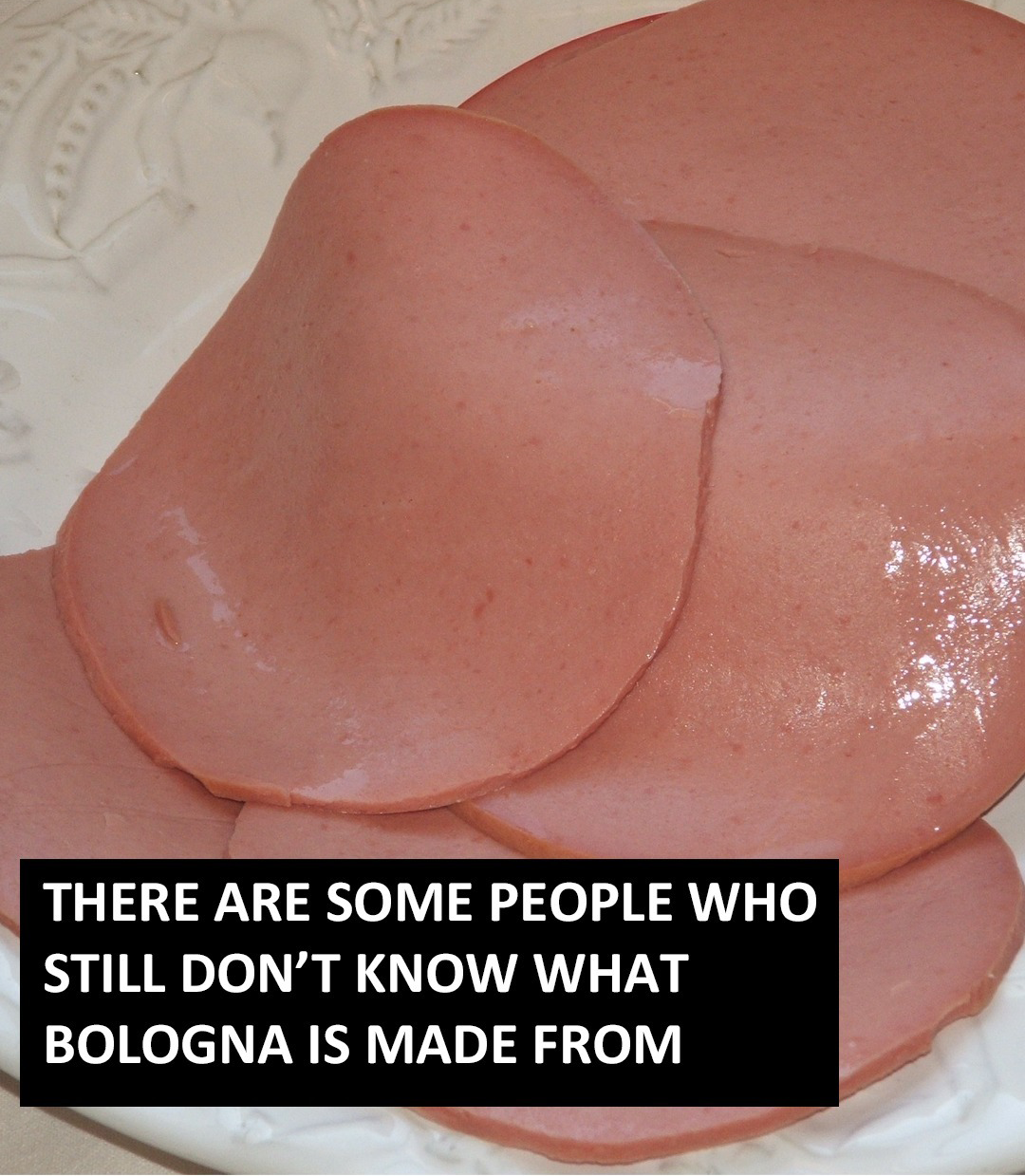
What Is Bologna Made Of?
Bologna is often dismissed as a random meat mush, an industrial curiosity that somehow became a lunch staple. That reputation makes it easy to joke about, but it misses what bologna actually is. In reality, bologna is a tightly regulated, modern descendant of old world sausage making, shaped by food science, government standards, and changing consumer tastes. It may be processed, but it is not chaotic. It is engineered, standardized, and far more intentional than its image suggests.
At its core, bologna is an emulsified sausage. That means meat and fat are finely ground and blended until they form a smooth, uniform paste. This process is similar to how hot dogs and frankfurters are made. The meat used today is typically beef, pork, chicken, or a combination of these, depending on the brand and price point. The mixture is seasoned, blended with curing salts and stabilizers, then stuffed into casings and fully cooked. Some varieties are lightly smoked, which adds aroma rather than deep smoke flavor.
A lot of the fear surrounding bologna comes from old rumors about what goes into it. Stories about beaks, hooves, and floor sweepings have stuck in popular culture for decades. While earlier eras of meat processing were less transparent, modern rules in the United States are strict. Federal regulations clearly define what qualifies as meat, how it must be labeled, and what can be included. Most mass produced bologna today uses recognizable cuts and fat, not mystery scraps. The ingredient list may not be glamorous, but it is not the horror show people imagine either.
Understanding bologna’s heritage helps explain why it exists in this form. Its ancestor is mortadella, a traditional Italian sausage that originated in Bologna. Mortadella is proudly complex. It is made from finely ground pork but includes visible cubes of fat, whole spices, and sometimes pistachios. The texture is smooth yet varied, and the flavor is layered and aromatic. Mortadella was meant to be savored, sliced carefully, and appreciated as a centerpiece, not hidden in a sandwich.
When Italian immigrants brought sausage making traditions to the United States, they adapted them to a new environment. Meat was cheaper, portions were larger, and industrial production was the norm. American bologna evolved to meet those realities. Visible fat cubes disappeared in favor of a perfectly uniform texture. Strong spices were toned down. The goal shifted from artisanal expression to consistency, affordability, and long shelf life. What emerged was a streamlined product designed to taste the same every time, anywhere.
That uniformity is part of why bologna inspires both comfort and ridicule. It is deeply familiar. Many people grew up eating it in sandwiches, fried in a pan, or rolled up as a quick snack. At the same time, its smooth texture and pale color make it an easy target for jokes. It feels artificial because it is processed by design. But processing does not automatically mean deception. It means control. Bologna is engineered to be soft, mild, and predictable.
Reading the label tells the real story. You will see meat, fat, spices, curing agents, and sometimes sweeteners. It is not pretending to be a health food. It is high in sodium and meant to be eaten occasionally, not daily. But it is also not a mystery monster. It is simply a processed sausage that has been shaped by modern expectations.
Bologna sits in a strange cultural space. We mock it, question it, and warn each other about it, yet it continues to sell. That contradiction reveals something honest about food and memory. Bologna survives not because it is misunderstood, but because it delivers exactly what it promises. Familiar flavor, soft texture, low cost, and a sense of childhood comfort. It is not elegant, but it is intentional. And once you strip away the myths, it is easier to see bologna for what it really is. A modern sausage doing exactly the job it was designed to do.