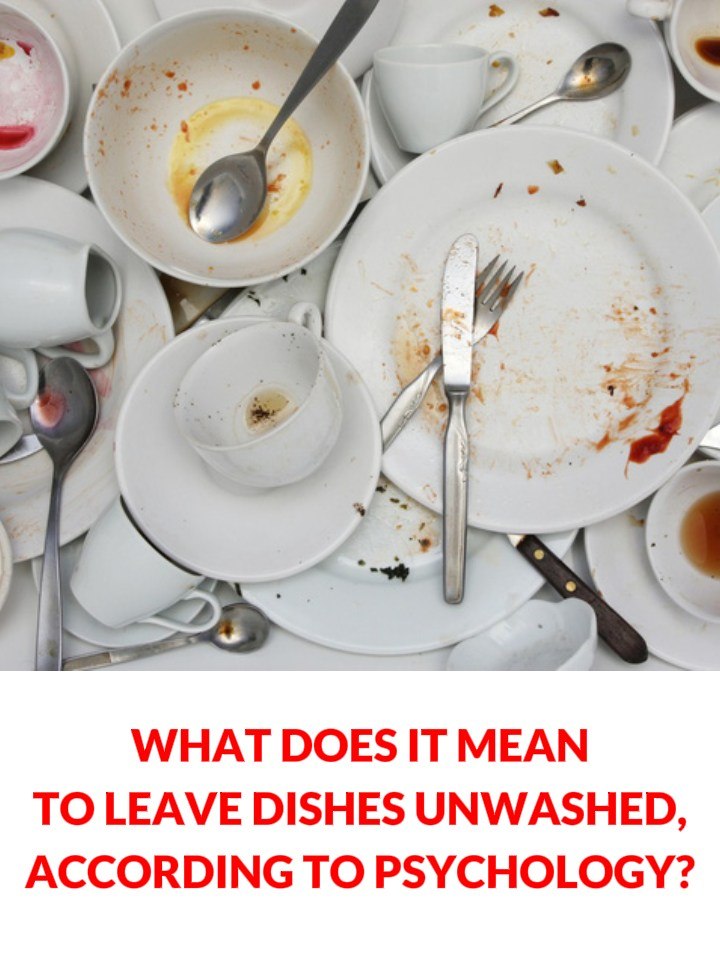
The Psychological Meaning of Leaving Dirty Dishes and Why They Shouldn’t Pile Up
The condition of a home often reflects what is happening inside a person’s mind and emotional life. Everyday habits, even ones that seem small or insignificant, can offer insight into stress levels, coping skills, and self care. Washing dishes is one of those tasks. Leaving dirty dishes in the sink is extremely common, but when it becomes a frequent or ongoing pattern, it can signal deeper challenges and begin to affect both mental and physical well being.
One of the most common reasons dishes are left unwashed is stress and exhaustion. After a long workday, emotional strain, or constant mental pressure, even simple chores can feel disproportionately difficult. Mental fatigue reduces motivation and makes decision making harder. In that state, washing a few plates may feel like an unnecessary burden rather than a quick task. People are not choosing to be messy so much as they are conserving limited energy.
Procrastination and disorganization can also contribute. Some people avoid washing dishes because they find the task unpleasant, boring, or mentally draining. Over time, this avoidance can become habitual. The longer dishes sit, the more intimidating the task feels, which reinforces delay. This pattern often reflects a broader tendency to postpone responsibilities, especially those that do not provide immediate reward or satisfaction.
Emotional health plays a significant role as well. During periods of anxiety, sadness, burnout, or emotional overload, household chores are often the first things to fall away. When someone is struggling internally, maintaining external order can feel impossible. A sink full of dishes may mirror feelings of overwhelm, lack of control, or emotional heaviness rather than laziness or indifference. In some cases, the mess becomes a visible sign that someone is not coping as well as they appear on the surface.
Another factor is the absence of structured routines. Without consistent daily habits, tasks like dishwashing can easily slip through the cracks. When there is no established rhythm, chores pile up quickly and create a sense of disorder. Over time, clutter can become normalized, making it harder to regain control and reestablish structure.
Allowing dishes to accumulate can have tangible consequences. Food residue encourages bacteria growth, attracts insects, and produces unpleasant odors that spread throughout the home. These conditions affect physical comfort and hygiene, sometimes contributing to feelings of embarrassment or avoidance of shared spaces.
Clutter also adds mental strain. Seeing dirty dishes repeatedly can trigger guilt, frustration, or a sense of failure. Instead of fading into the background, the mess becomes a constant visual reminder of unfinished tasks. This can increase stress, reduce focus, and make it harder to relax or feel productive at home.
In the end, washing dishes is more than a routine chore. It supports mental clarity, self discipline, and a sense of control over one’s environment. While occasional messes are completely normal and human, keeping dishes manageable can improve mood, reduce stress, and restore balance to daily life. Small acts of order often create space for emotional relief, making the home feel more supportive rather than overwhelming.