Avoiding seat 11A: What you need to know before booking
Hidden in the middle of a Ryanair Boeing 737 800 cabin, seat 11A looks harmless on the seat map. At a glance, it appears to be a standard window seat, the kind travelers choose for cloud watching, wing views, and quiet moments staring down at the world below. For many passengers, that small square on the booking screen promises calm and perspective. But once you settle in and turn your head toward the wall, the disappointment is immediate and unmistakable.
Instead of a wide window framing the sky, there is mostly plastic. In some aircraft, there may be a tiny, awkward porthole set far forward or back, barely aligned with the seat and letting in very little light. In others, there is no usable window at all. The view you imagined simply does not exist. What feels like a bait and switch is not the result of poor planning or an intentional trick, but a consequence of how the aircraft itself is built.
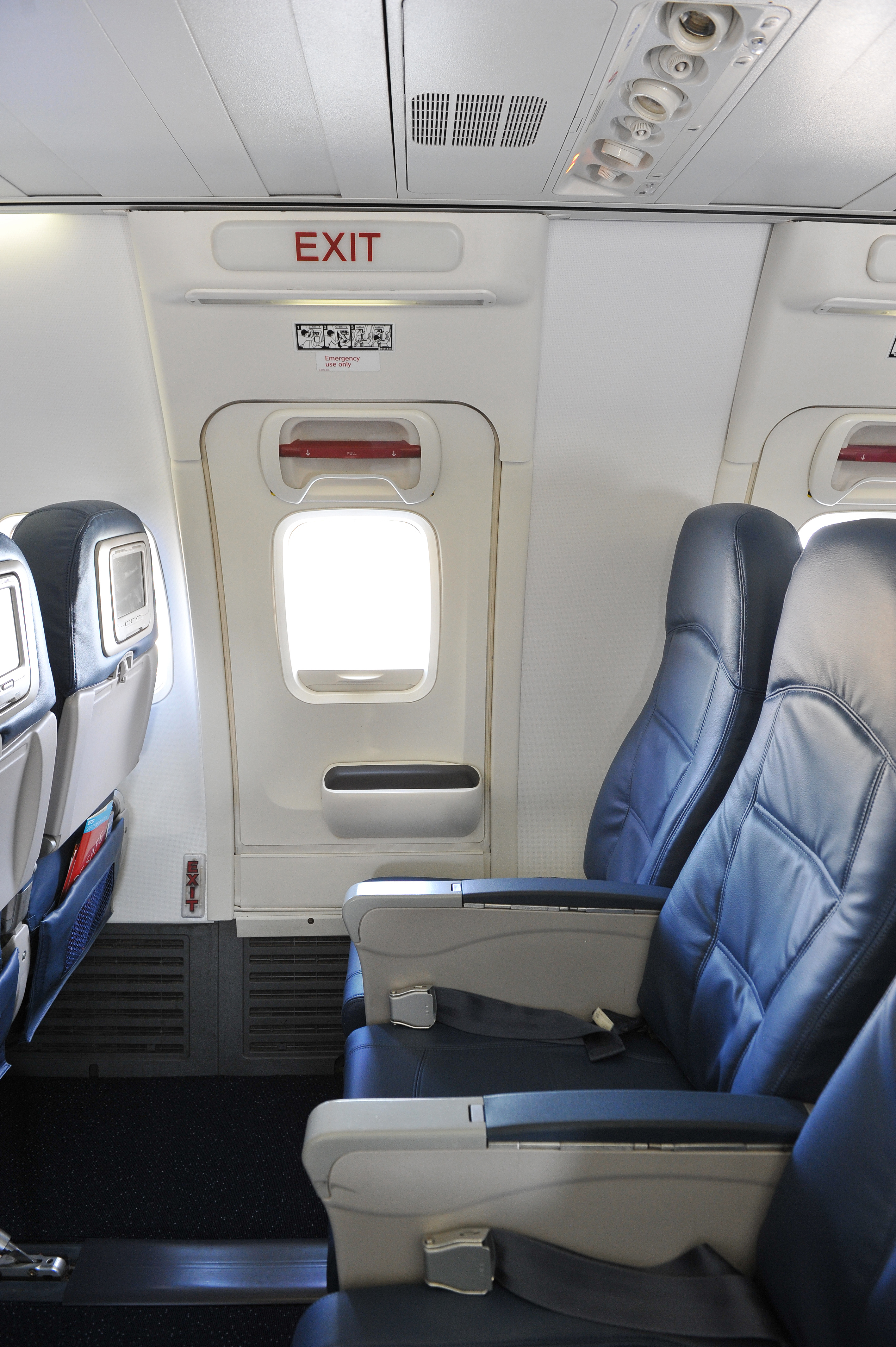


The missing window is caused by the routing of the aircraft’s air conditioning ducting. In this section of the fuselage, large ventilation components run between the cabin wall and the outer skin of the aircraft. That equipment has to go somewhere, and in this case, it occupies the exact space where a proper window would normally be placed. Rather than redesigning the entire interior structure, the cabin layout simply accepts the compromise. The seat remains, the window disappears, and most passengers only discover the truth after boarding.
What makes the experience more frustrating is how close you are to better options. Directly across the aisle in seat 11F, passengers usually enjoy a perfectly normal window with a clear view outside. One row behind, seats 12A and 12F typically restore the classic flying experience with full windows and better alignment. From a passenger’s perspective, the difference feels almost cruel. A few inches of cabin position separate a solid wall from open sky.
This is where knowledge becomes power. Modern travelers have access to detailed seating tools like AeroLOPA and similar seat map resources that go far beyond the simplified diagrams shown during booking. These maps reveal window placements, seat spacing, exit rows, and structural oddities that airlines rarely advertise. A quick glance before selecting a seat can save you from hours of staring at molded plastic instead of drifting clouds.
For frequent flyers, especially those who value the psychological comfort of a window, this kind of research becomes second nature. Window seats offer more than scenery. They provide a sense of space, control over light, and a visual connection to the journey itself. Losing that can make a short flight feel longer and a long flight feel claustrophobic.
The issue also highlights the compromises inherent in high density aircraft interiors. Airlines like Ryanair operate on tight margins and standardized fleets, squeezing maximum efficiency from every square meter of cabin space. The aircraft is optimized for turnaround speed, seating capacity, and operational simplicity. Passenger experience, while not ignored, sometimes takes a back seat to structural and economic realities.
Still, the responsibility does not fall entirely on the airline. With information now so widely available, passengers who care about their seat experience can often avoid these traps. A few extra seconds spent checking a detailed map can mean the difference between mild irritation and genuine enjoyment. Choosing a slightly different row, or even switching sides of the aisle, can restore light, views, and a sense of openness.
Seat 11A serves as a quiet reminder that not all window seats are created equal. In the tightly engineered world of commercial aviation, appearances can be misleading. But with a little curiosity and preparation, travelers can outsmart the cabin quirks and reclaim one of flying’s simplest pleasures, the view outside.