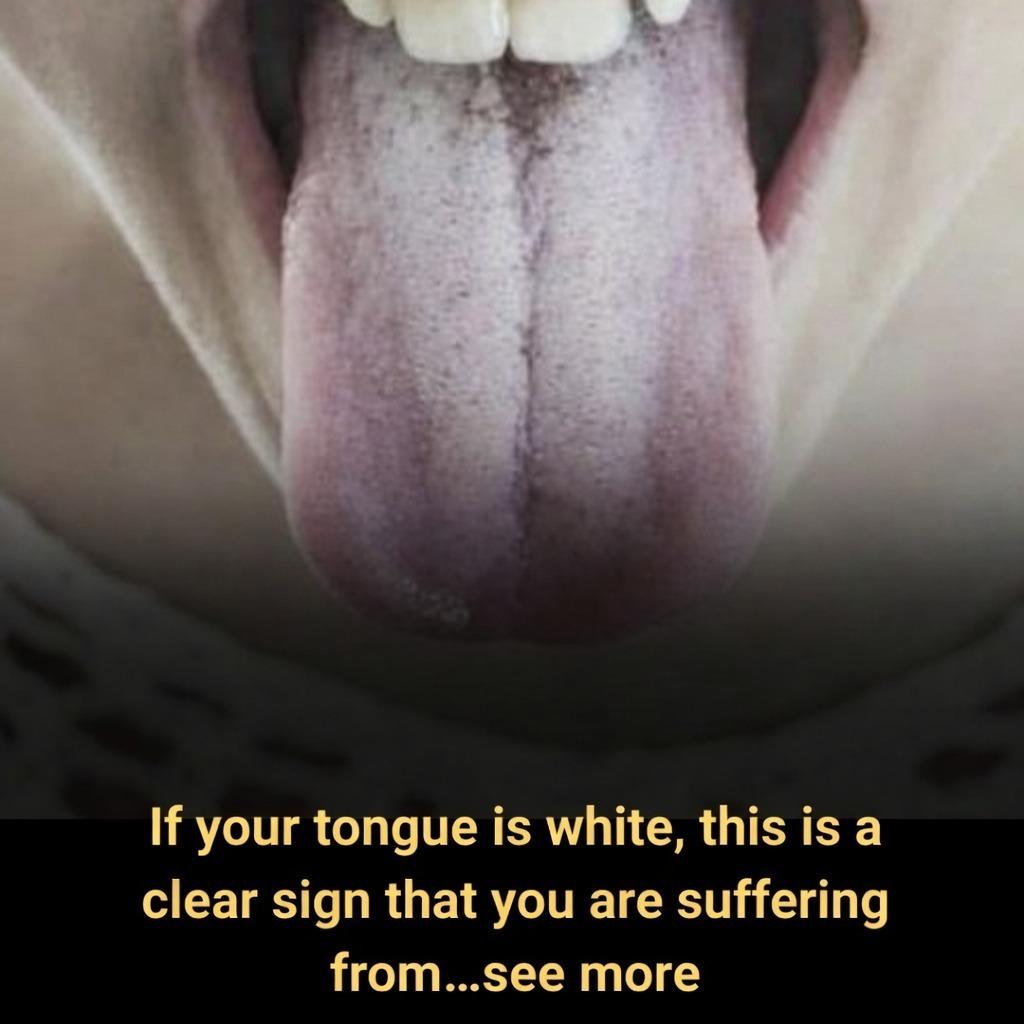
If your tongue is white, this is a clear sign that you are suffering from
A white coating on your tongue is not a definitive sign of a specific disease, but it can indicate an underlying issue that’s usually benign and easily treatable. While it may look alarming, in most cases it’s caused by harmless, temporary factors—not serious illness.
Here’s what it likely means—and when to pay attention:
✅ Common (and Harmless) Causes
1. Poor Oral Hygiene
Dead cells, bacteria, and debris can build up on the tongue’s surface, especially if you don’t brush or scrape your tongue regularly.
Fix: Gently brush your tongue with a toothbrush or use a tongue scraper daily.
2. Dry Mouth (Xerostomia)
Saliva helps clean the mouth. When you’re dehydrated, breathe through your mouth, or take certain medications (like antihistamines), dryness allows buildup.
Fix: Drink more water, chew sugar-free gum, or use a humidifier at night.
3. Milk Residue (in infants or after dairy)
A thin, milky white film after drinking milk or eating yogurt is normal—just rinse or brush.
4. Smoking or Alcohol Use
Tobacco and alcohol irritate the tongue and reduce saliva, leading to coating.
Fix: Cut back; practice good oral care.
5. Oral Thrush (Candidiasis)
A fungal overgrowth caused by Candida yeast.
Signs: Thick, creamy white patches that can’t be scraped off easily; may bleed if rubbed; sometimes accompanied by soreness or cottony mouth feeling.
Common in: Babies, people on antibiotics, diabetics, or those with weakened immune systems.
Treatment: Antifungal mouthwash or lozenges (e.g., nystatin).
6. Leukoplakia
Thick, white patches that can’t be wiped away, often linked to chronic irritation (like from smoking or rough teeth).Note: Usually benign, but rarely can be precancerous—especially if patches are hard, raised, or persist >2 weeks.
Action: See a dentist if it doesn’t resolve with improved hygiene.
7. Geographic Tongue or Lichen Planus
Inflammatory conditions that can cause white borders or patches—but often painless and harmless.
🚩 When to See a Doctor or Dentist
Consult a professional if your white tongue is accompanied by:
Pain, burning, or soreness
Bleeding when scraped
Patches that last more than 2 weeks despite good oral care
Difficulty eating, swallowing, or speaking
Other symptoms like fever, fatigue, or unexplained weight loss
❤️ The Bottom Line
In over 90% of cases, a white tongue is simply due to dehydration, mild buildup, or temporary imbalance—not disease. It’s your body’s way of saying: “Time to drink water and brush your tongue!”
Try this tonight:
Brush your teeth and gently scrub your tongue.
Rinse with water or salt water.
Drink a full glass of water before bed.
Chances are, it’ll look much better in the morning.
But if it persists or worries you—see your dentist. Early evaluation brings peace of mind, always. 💛