What really shapes life after 80 (and why it’s not what most people think)
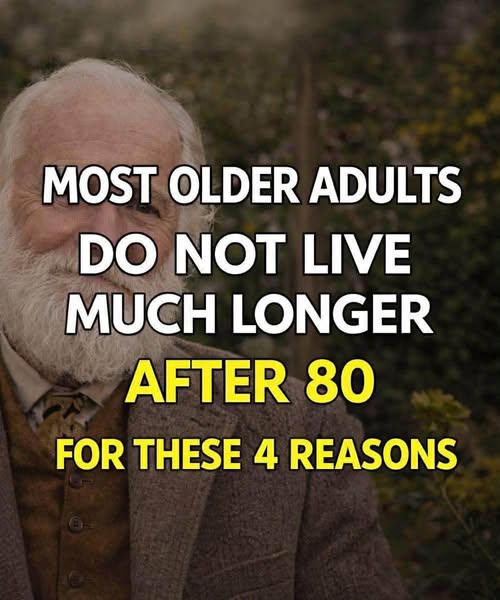
Reaching the age of eighty is more than just a milestone—it represents a lifetime of experiences, changes, and resilience. At this stage, people often wonder how to continue living meaningfully. While some remain active, curious, and engaged, others begin to decline. Research shows that this difference is not just about genetics, but about key lifestyle factors that shape how we age.
One of the most important elements is purpose, often referred to as “ikigai” in Japan. Having a reason to get up each day—whether it’s caring for a pet, learning something new, or contributing to others—keeps the mind active and reduces the risk of cognitive decline. Without purpose, days can feel repetitive and motivation can fade.
Social connection is equally essential. Loneliness is not just emotional; it has real physical effects, increasing stress and impacting overall health. Even small interactions, like chatting with a neighbor or meeting a friend regularly, can boost mood and mental sharpness. Maintaining meaningful relationships becomes crucial as social circles naturally shrink with age.
Physical movement also plays a major role in maintaining independence. Simple activities such as walking, standing up from a chair, or light resistance exercises help preserve strength, balance, and mobility. Regular movement supports not only the body but also cellular health, slowing aspects of aging.
Nutrition and hydration are often overlooked but critical. Older adults need more protein to maintain muscle, and dehydration can occur easily due to a reduced sense of thirst. Eating balanced meals and drinking water regularly supports both physical and mental well-being.
Together, these factors create an “upward spiral.” Purpose leads to activity, activity encourages connection, and connection improves overall health. Aging well is not about avoiding challenges, but about staying engaged, active, and connected, allowing life at eighty to remain meaningful and fulfilling.