20 foods that can be consumed after the expiration date
Many people habitually throw away food as soon as it passes the printed expiration or “best by” date, firmly believing that consuming it afterward poses a health risk. However, in reality, these dates are generally intended to indicate peak quality rather than actual safety. According to the USDA, with the exception of infant formula (which does have strict safety guidelines), expiration dates are not federally regulated and do not necessarily mean that the food is spoiled or harmful to eat. In fact, most foods can be safely consumed well beyond their labeled dates if they have been stored properly and do not show any clear signs of spoilage, such as mold growth, an off or sour odor, or a drastic change in texture.
Take eggs as a prime example. Many people immediately toss eggs once they pass the sell-by or expiration date stamped on the carton. However, if kept refrigerated, eggs can remain safe to eat for three to five weeks beyond that date. One of the simplest ways to test an egg’s freshness is to do a float test in a bowl of water. If the egg sinks and lies flat on its side, it is still good to eat. If it stands upright or floats, it’s best to discard it, as this suggests air has entered and the egg may no longer be safe.
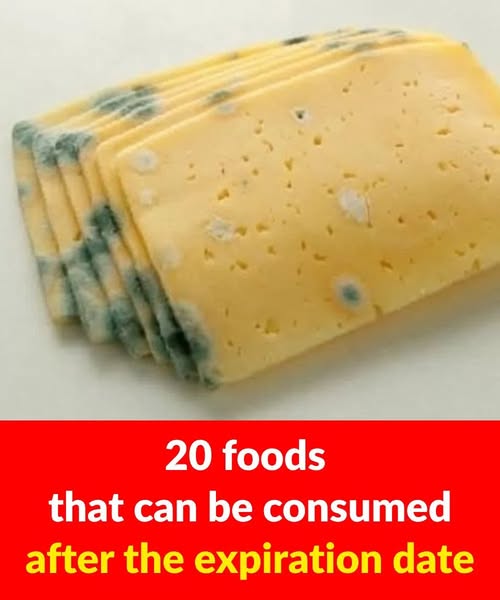
Similarly, dairy products like milk and yogurt can often be consumed safely beyond their dates if they have been kept consistently cold. Milk may stay fresh for up to a week past its printed date, and yogurt can remain good even longer. Sometimes, yogurt may appear to have separated with some liquid on top — this can simply be stirred back in, and the yogurt is generally fine to eat. Hard cheeses and butter also have surprisingly long shelf lives. If hard cheese develops mold, it can often be safely salvaged by cutting off at least an inch around and below the moldy spot, since mold doesn’t easily penetrate dense cheese. Butter, when stored in the fridge or freezer, can last months past its date.
When it comes to baked and dry goods, such as bread, pasta, rice, and cereal, these items can often last well beyond what is printed on the package. Bread is most prone to mold, so it should be checked carefully and, if desired, stored in the fridge or freezer to extend its life. Dry pasta and white rice can last for years when kept sealed in a cool, dry environment. While cereal might lose some of its crispness over time, it usually remains safe to eat and can still be enjoyed, even if a bit less crunchy.
Other pantry staples like peanut butter are also remarkably resilient. Even after opening, peanut butter can stay good for several months, especially if refrigerated. Over time, it might separate, with oil rising to the top, but this can simply be stirred back in before use.
Frozen foods are another category where printed dates are mostly about quality rather than safety. Freezing stops bacterial growth, meaning that most frozen items remain safe to eat indefinitely, although flavor and texture may degrade over time. Chocolate can also last far beyond its date. If you notice a whitish film known as “bloom” on the surface, this is simply a result of fat or sugar crystals rising and does not indicate spoilage; the chocolate is still perfectly fine to eat.
Snack items like chips, crackers, and cookies might lose their crispness before they become unsafe. These foods are usually packaged to prevent spoilage, and while they may taste stale, they won’t typically pose a health risk. Honey deserves a special mention: it has an almost infinite shelf life and doesn’t spoil, although it may crystallize over time. If that happens, it can be gently warmed to return to a smooth consistency.
Pantry condiments and staples also boast impressive longevity. Mustard, ketchup, vinegar, pickles, and soy sauce are all highly shelf-stable, thanks to their acidity or preservatives. Pickled products and vinegar-based condiments can stay good for many months after opening. Soy sauce, especially when stored correctly, can last years unopened and remain usable for a long time even after opening. Dried beans and lentils might take longer to cook as they age and become harder, but they remain safe to eat for years.
In short, expiration and “best by” dates are primarily indicators of when a product is expected to be at its best flavor and texture, not necessarily when it becomes unsafe. It’s essential to use your senses and best judgment to determine whether food is still good. Check for common signs of spoilage — mold growth, unpleasant odors, or an unusual texture. Store items properly to extend their lifespan and reduce unnecessary food waste. While it’s wise to be cautious and avoid consuming anything that truly seems questionable, it’s equally important to understand that many foods are perfectly fine to eat past their printed dates. Being mindful in this way not only saves money but also helps cut down on food waste and promotes a more sustainable approach to eating.