10 Warning Signs Your Kidneys May Be in Danger
Recognizing the Warning Signs of Kidney Disease
Kidney disease is often called a “silent” illness because it can develop gradually over time, with few or even no symptoms in its early stages. However, if left unrecognized and untreated, it can significantly affect your overall health and eventually lead to kidney failure — a life-threatening condition that requires dialysis or a kidney transplant. Understanding the early warning signs is critical, as early detection can dramatically improve outcomes and help preserve kidney function.
Understanding Kidney Function
Your kidneys are two bean-shaped organs located just below your ribcage, one on each side of your spine. They play a vital role in keeping your body balanced and healthy. Every day, your kidneys filter about 120–150 quarts of blood to remove waste and excess fluids, producing around 1–2 quarts of urine.
But their responsibilities go beyond filtering blood. Kidneys help regulate blood pressure by controlling fluid balance and releasing hormones that affect blood vessel tension. They also maintain the right balance of electrolytes such as sodium, potassium, and calcium, which are essential for nerve and muscle function. In addition, kidneys are involved in producing erythropoietin, a hormone that stimulates the production of red blood cells, helping prevent anemia.
What Is Kidney Disease?
Kidney disease happens when the kidneys become damaged and can no longer filter blood efficiently. This can be due to various factors, such as high blood pressure, diabetes (one of the most common causes), autoimmune diseases, infections, or certain medications that can harm the kidneys over time. When kidney function declines, dangerous levels of waste and fluid can build up in your body, causing widespread health problems.
If not properly managed, chronic kidney disease (CKD) can progress to end-stage renal disease (ESRD), which requires dialysis — a procedure that uses a machine to do the work of your kidneys — or a kidney transplant to sustain life.
Warning Signs to Watch For
Because the kidneys are so adaptable, many people do not experience noticeable symptoms until significant damage has already occurred. However, there are certain warning signs you should never ignore:
-
Changes in urination: You might notice you’re urinating more or less often than usual. Urine may appear foamy or bubbly (a sign of protein leakage), or you might need to get up frequently at night to urinate. Difficulty starting urination or feeling that your bladder isn’t completely empty can also indicate a problem.
-
Fatigue and weakness: Healthy kidneys help produce red blood cells, so when they aren’t working well, you may develop anemia. This can cause persistent tiredness, difficulty concentrating, and general weakness.
-
Swelling (edema): When kidneys can’t properly remove excess fluid, it builds up in tissues, leading to swelling in the legs, ankles, feet, hands, face, or abdomen.
-
Back pain: Persistent pain in your lower back or sides, just below your ribs, might indicate kidney stones or an infection. While not every case of back pain signals kidney disease, it’s worth monitoring, especially when paired with other symptoms.
-
Nausea, vomiting, and loss of appetite: As waste products build up in your bloodstream (a condition called uremia), you may feel nauseous, vomit, or lose interest in food altogether.
-
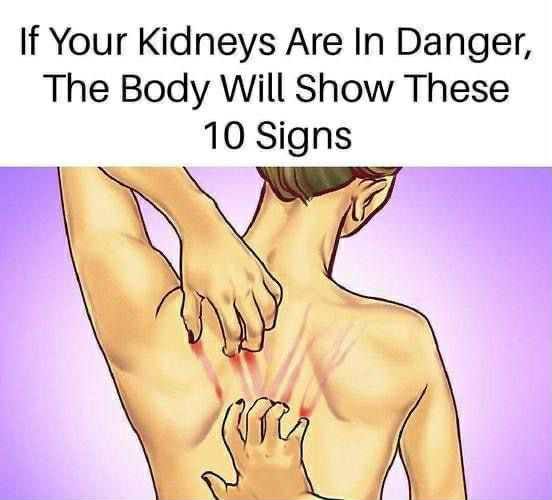
Itchy skin and a metallic taste in the mouth: When toxins accumulate, they can cause skin itching that doesn’t improve with creams or lotions. A metallic taste or ammonia-like breath may also develop, making food less appealing.
Protecting Your Kidney Health
While not all causes of kidney disease are preventable, many lifestyle habits can significantly reduce your risk:
-
Stay well-hydrated: Drinking enough water helps kidneys clear sodium and toxins.
-
Limit salt and processed foods: High sodium intake can raise blood pressure and burden the kidneys.
-
Manage chronic conditions: Carefully controlling diabetes, high blood pressure, and heart disease lowers the risk of kidney damage.
-
Avoid overusing NSAIDs and certain medications: Pain relievers like ibuprofen and naproxen, when used excessively, can harm kidney tissue.
-
Avoid smoking and excessive alcohol consumption: These habits can reduce blood flow to the kidneys and worsen existing damage.
-
Maintain a healthy weight and exercise regularly: This supports blood pressure and overall vascular health.
See a Doctor
If you notice any of the warning signs mentioned above, it’s essential to speak with your healthcare provider promptly. Blood and urine tests can detect early signs of kidney dysfunction, even before symptoms become obvious.
Early intervention can help slow or even halt the progression of kidney disease, giving you more control over your health and preventing serious complications.
In summary, protecting your kidneys means paying attention to your body, adopting healthy habits, and seeking medical care when necessary. Remember: your kidneys quietly support nearly every system in your body — taking care of them today can make a world of difference for your health tomorrow.