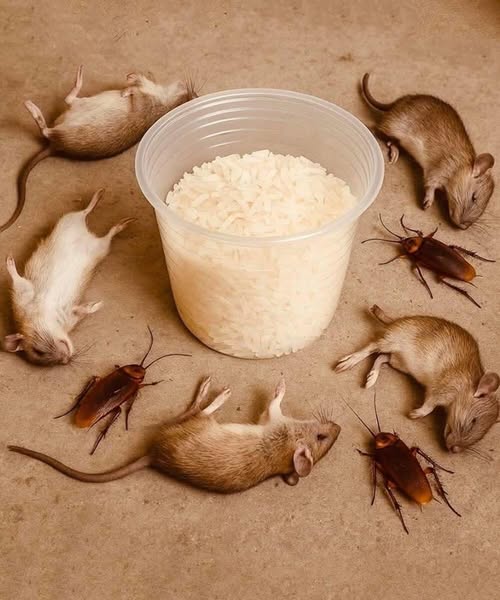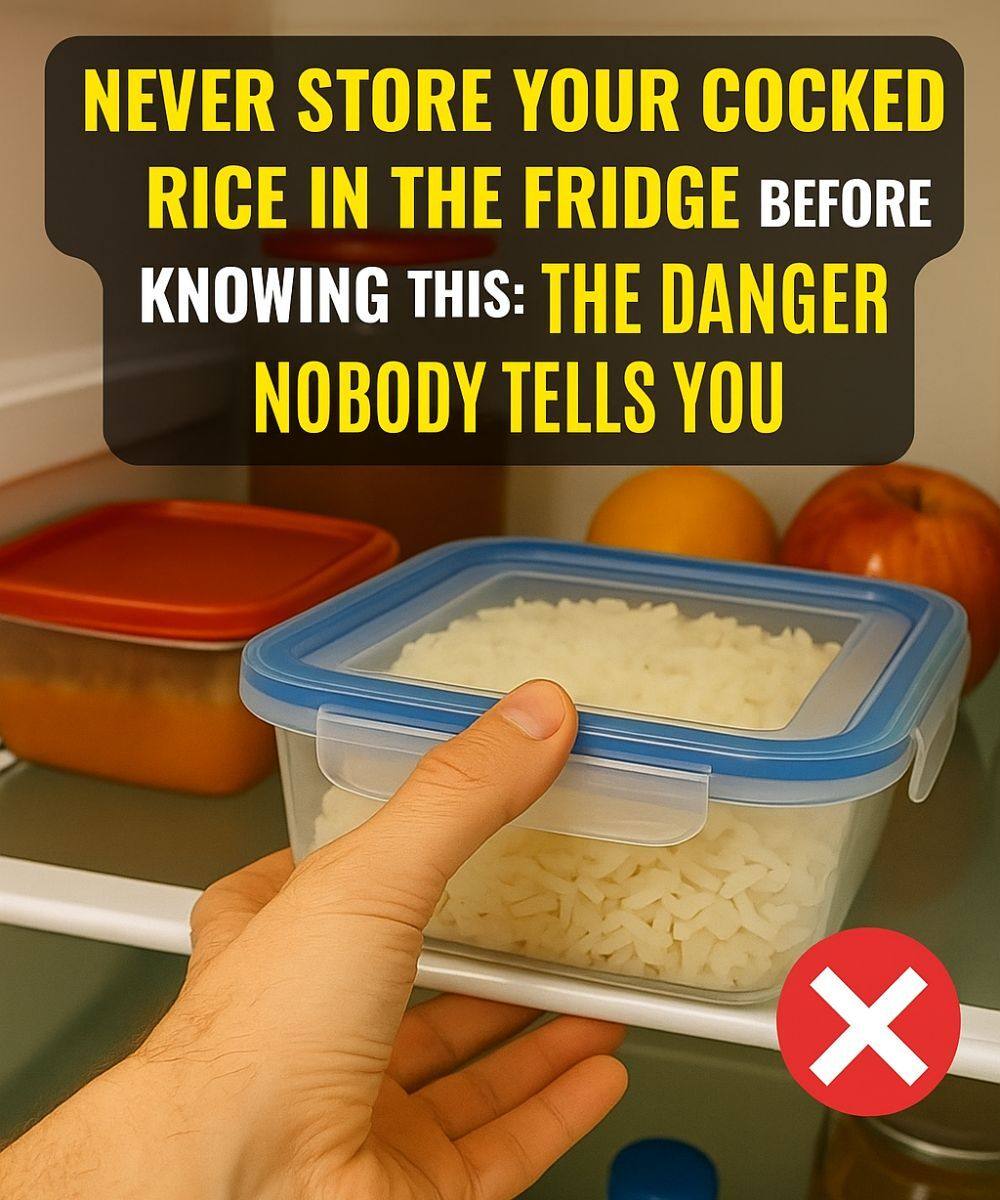
What’s Growing in Your Leftover Rice? The Fridge Isn’t Always Safe
Why Leftover Rice Can Be Dangerous – And How to Store It Safely
Most people don’t think twice before popping leftover rice into the fridge after dinner. But what many don’t realize is that cooked rice can carry a surprising food safety risk if it’s not stored and handled correctly. Unlike other leftovers, rice is particularly vulnerable to Bacillus cereus, a heat-resistant bacteria that can survive the cooking process and multiply rapidly at room temperature. Once it does, it produces toxins that can cause food poisoning — and unfortunately, these toxins aren’t destroyed by reheating, not even in the microwave.
Why Cooked Rice Can Be Dangerous
Once rice is cooked, its moist environment becomes an ideal breeding ground for bacteria if it’s left sitting out. Bacillus cereus spores may survive the cooking process, and if the rice is left at room temperature for more than an hour or two, these spores can quickly grow into bacteria that release toxins. Even if you reheat the rice later, those toxins can still be present and cause symptoms such as:
-
Nausea
-
Vomiting
-
Abdominal cramps
-
Diarrhea
These symptoms usually occur within 1 to 5 hours after eating contaminated rice and can last for up to 24 hours.
How to Store Leftover Rice Safely
🕒 Cool It Quickly
The longer rice sits out, the more time bacteria have to grow. To prevent this:
-
Transfer rice to a shallow container immediately after cooking.
-
Spread it out to speed up cooling.
-
Aim to refrigerate it within 1 hour (maximum 2 hours if the room is cool).
❄️ Store Smart
Once cooled, place the rice into airtight containers and store it in the coldest part of your fridge, ideally below 40°F (4°C). Avoid putting it near the fridge door where temperature fluctuates.
⏰ Eat It Within 1–2 Days
Leftover rice should be consumed within 24 to 48 hours. After that, the risk of bacterial growth increases — even if the rice still smells and looks fine. Don’t take chances: when in doubt, throw it out.
🔥 Reheat Safely — and Only Once
Only reheat the amount of rice you intend to eat. Make sure the internal temperature reaches at least 165°F (74°C). Never reheat rice more than once, as each cycle of cooling and reheating increases the risk of bacteria and toxin development.
🚫 Don’t Rely on Your Senses
Unlike spoiled meat or dairy, bad rice may not smell or look off. The toxins produced by Bacillus cereus are odorless and tasteless, so always prioritize safe storage practices over appearance or smell.
The Bottom Line
Rice may seem harmless, but it’s one of the most common causes of foodborne illness linked to leftovers. By cooling it quickly, storing it properly, and eating it within a safe window, you can still enjoy your rice dishes without worry. Safe food handling is a small effort with a big payoff — keeping you and your family healthy.